5 Things I Wish Someone Told Me Before I Got Chickens

Embracing the Absurdity of Chicken Rearing

In the world of chicken rearing, every misadventure holds a valuable lesson waiting to be learned. From unexpected challenges to comical mishaps, the journey of raising chickens is filled with moments of absurdity and enlightenment. Here, I’ll dive into the wisdom gained from my misadventures and the lessons they’ve taught me about resilience, resourcefulness, and the joys of chicken rearing.

  • The Great Escape:
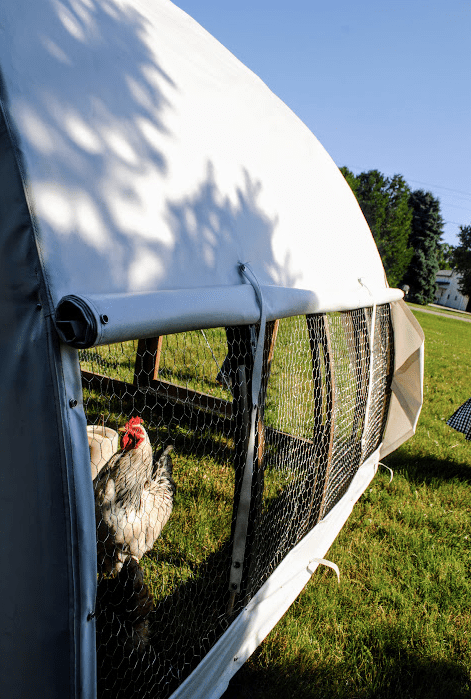
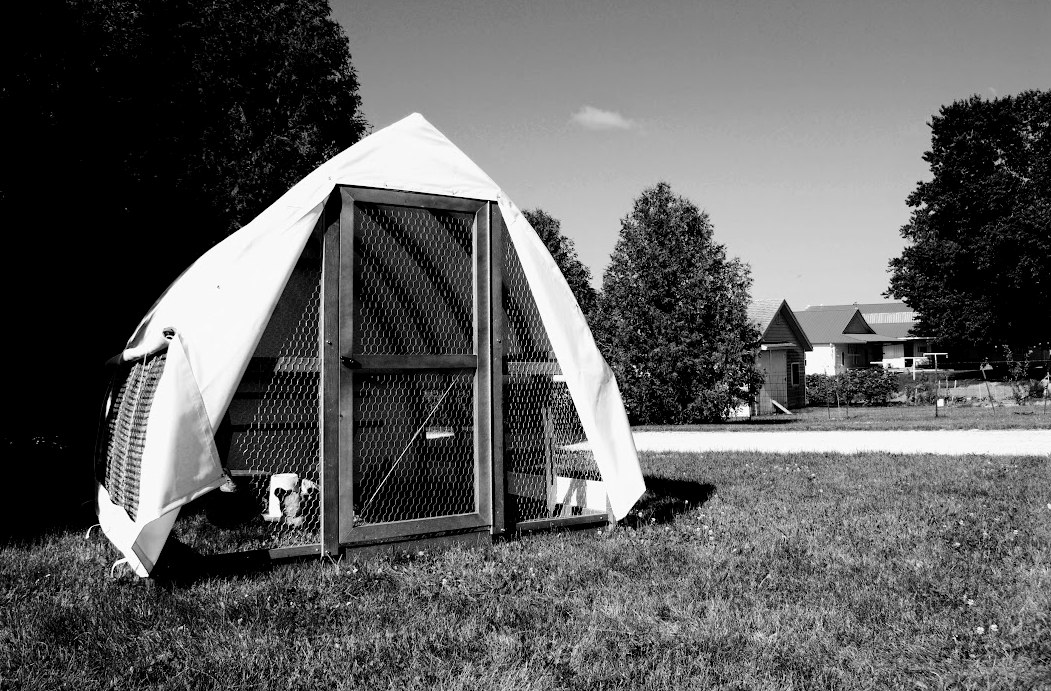
    • Whether it’s a crafty raccoon or a curious pet dog, predators are always on the prowl for an easy meal. The Great Escape teaches us the importance of fortifying our coops and runs to keep our feathered friends safe and sound.
    • Lesson Learned: Secure Your Coop
  • The Mystery of the Missing Eggs:
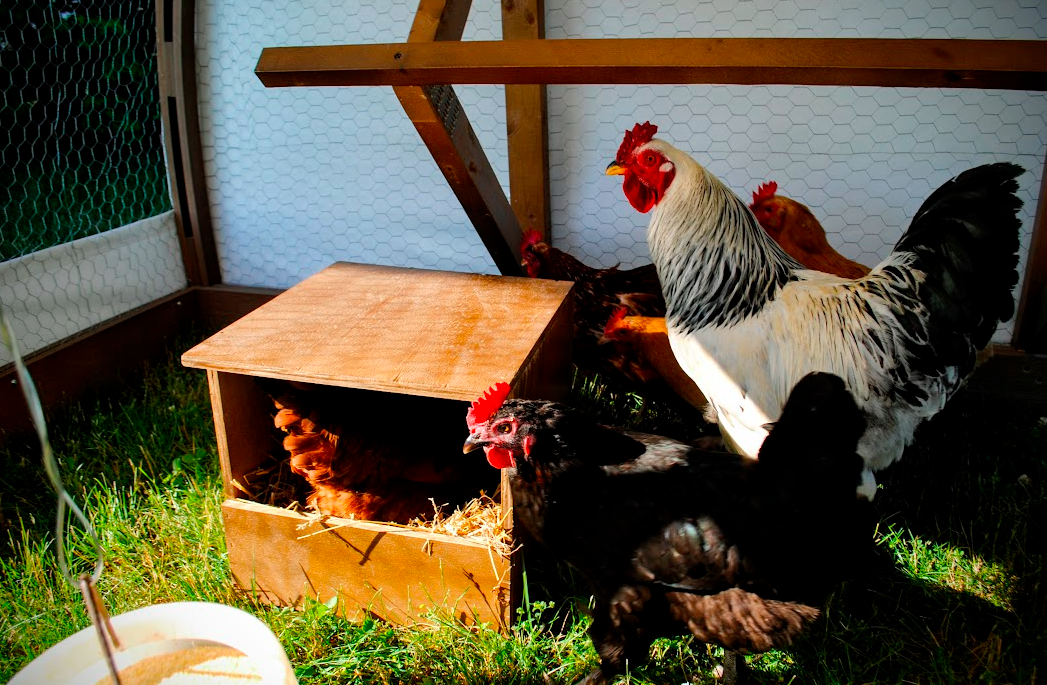
    • When your hens start laying eggs in the most unexpected places – from under the porch to inside the compost bin – it’s time to reevaluate your nesting box situation. The Mystery of the Missing Eggs reminds us that providing comfortable, inviting nesting boxes is key to encouraging proper egg-laying behavior.
    • Lesson Learned: Eggcellent Nesting Boxes
  • The Zen of Chicken Watching:
    • There’s something inherently calming and meditative about watching chickens go about their daily routines – scratching in the dirt, basking in the sun, and chasing after imaginary bugs.
    • Lesson Learned: Slow down to embrace the present moment.
  • The Language of Clucks and Cackles:
    • While we may never fully understand the intricacies of chicken communication, there’s a beauty and charm to the language of clucks and cackles that transcends words.
    • Lesson Learned: listen and find joy in the simple things.
  • The Magic of Fresh Eggs:
    • There’s nothing quite like gathering fresh eggs from the nesting boxes each morning – the warm, earthy smell, the vibrant colors, the promise of nourishment and sustenance.
    • Lesson Learned: Resourcefulness in farm-fresh food and the joy of knowing exactly where our food comes from.

In the end, embracing the absurdity of chicken rearing is about more than just overcoming challenges and learning valuable lessons – it’s about finding beauty, wonder, and joy in the everyday moments shared with our feathered friends.

Fowl Weather Friends: Coping with Seasonal Challenges Part 2

Creative Solutions for Keeping Your Flock Safe

When it comes to ensuring the safety and well-being of your feathered friends, it pays to think outside the box. From predators to extreme weather conditions, there are various challenges that can threaten the security of your flock. Here are some creative solutions to help you keep your chickens safe and sound:

  • Predator Protection:
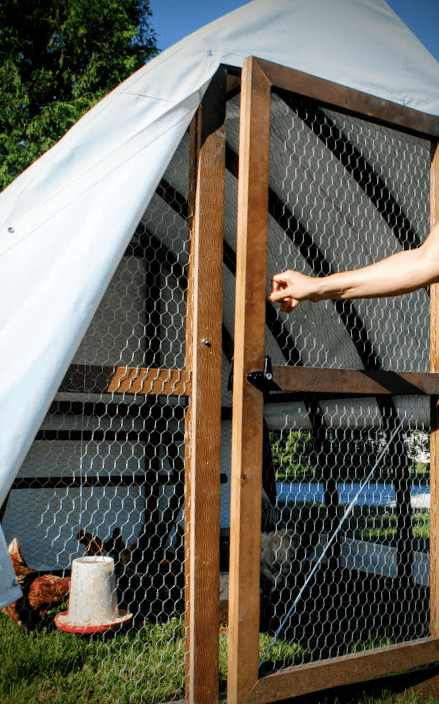
    • Predator-Proofing: Fortify your coop and run with sturdy materials such as hardware cloth and predator-proof latches to prevent entry from digging predators like foxes and raccoons.
    • Guardian Animals: Consider introducing guardian animals such as dogs or geese to your homestead. These animals can help deter predators and provide an added layer of security for your flock.
    • Motion-Activated Devices: Install motion-activated lights or sound devices around your coop to startle potential predators and discourage them from approaching.
  • Pest Management:
    • Natural Remedies: Utilize natural pest control methods such as planting aromatic herbs like lavender and mint around the coop to repel insects. You can also introduce beneficial insects like ladybugs and praying mantises to help keep pest populations in check.
    • Cleanliness: Keep your coop clean and free of debris to minimize pest habitats. Regularly remove spilled feed, manure, and standing water to discourage pests from taking up residence.
  • Weather Resilience:
    • Shade Structures: Provide ample shade for your flock during hot summer months by installing shade sails, umbrellas, or planting shade trees near the coop and run area.
    • Ventilation: Ensure proper ventilation in the coop to prevent heat stress during the summer and condensation buildup during the winter. Install vents or windows with adjustable covers to regulate airflow.
    • Winter Preparations: Insulate the coop with materials like straw or hay to provide warmth and protection from freezing temperatures. Consider using heat lamps or heated waterers to prevent water from freezing in cold weather.
  • Enclosure Enhancements:
    • Natural Camouflage: Use landscaping elements such as shrubs, bushes, and tall grasses to create natural hiding spots and camouflage for your chickens, making it harder for predators to spot them.
    • Elevated Roosts: Install elevated roosts or perches inside the coop to keep chickens off the ground at night, reducing their vulnerability to ground-dwelling predators.

By implementing these creative solutions, you can enhance the safety and security of your flock, allowing them to live happy and healthy lives in their coop and run. With a little ingenuity and proactive planning, you can minimize the risks posed by predators, pests, and extreme weather conditions, ensuring that your feathered friends remain safe and sound throughout the year.

Fowl Weather Friends: Coping with Seasonal Challenges Part 1

Surviving the Summer Heatwave

Ah, summer – a time of sun-kissed days, lazy afternoons, and the gentle hum of cicadas in the air. But for our feathered friends, the summer heat can pose a unique set of challenges that require careful attention and preparation.

As the temperatures soar and the sun beats down upon the coop, it’s important to take steps to keep your chickens cool and comfortable. Providing ample shade is key, whether it’s through strategically placed trees, shade cloths, or specially designed coop covers. Additionally, offering plenty of fresh, cool water is essential to prevent dehydration and heat stress.

But it’s not just the heat that chickens need to contend with – pesky insects like flies and mosquitoes can also pose a threat to their health and well-being. Implementing natural pest control measures, such as diatomaceous earth or herbal insect repellents, can help keep these pests at bay and ensure a more comfortable environment for your flock.

Battling the Winter Blues: Chicken Edition

As the days grow shorter and the temperatures begin to drop, winter brings its own set of challenges for chicken keepers to contend with. But fear not, for with a little preparation and foresight, you can help your feathered friends weather the winter blues with ease.

One of the most important considerations during the winter months is providing adequate shelter and protection from the elements. Ensure that your coop is well-insulated and draft-free, with plenty of bedding to keep your chickens warm and cozy on chilly nights. Consider adding extra heat sources, such as heat lamps or heated waterers, to provide additional warmth during the coldest months.

In addition to shelter, it’s important to pay close attention to your chickens’ diet during the winter months. As the temperatures drop, chickens require extra calories to maintain their body temperature and energy levels. Consider supplementing their diet with high-protein treats like mealworms or black oil sunflower seeds, and be sure to provide plenty of fresh water to prevent dehydration.

Finally, don’t forget to keep an eye out for signs of frostbite and other cold-related ailments. Check your chickens’ combs and wattles regularly for signs of discoloration or swelling, and take steps to protect them from the cold with petroleum jelly or other protective ointments.

By taking these simple precautions and staying attuned to your chickens’ needs, you can help them stay happy, healthy, and resilient in the face of whatever weather challenges come their way. After all, true fowl weather friends stick together through thick and thin, come rain or shine.

The Weird and Wonderful World of Egg-Laying

Raising chickens is a deeply rewarding experience, offering a host of fascinating aspects, particularly in egg-laying. A common misconception is that you need a noisy rooster in your flock to have farm-fresh eggs each day. In fact, you absolutely don’t! Hens lay delicious eggs almost every day, but let’s delve into some intriguing phenomena about their egg-laying habits.

One of the first things you might encounter is the production of fairy eggs, also known as “wind” or “witch” eggs. These are small eggs with delicate shells, often lacking the yolk and albumen found in typical eggs. They highlight the unique complexities of the avian reproductive process and are often the first egg when a new hen begins laying.

One of the most delightful discoveries for any chicken keeper is finding a double-yolk egg. These larger eggs are a clear indication of high fertility within the flock and are always a pleasant surprise.

However, practical considerations are essential for the health and well-being of your chickens. The 26-hour ovulation cycle of hens significantly impacts egg production and necessitates careful attention to feeding schedules. Proper nutrition is crucial, as hungry hens may resort to pecking and consuming their own eggs, leading to nutritional deficiencies and health issues. By ensuring a consistent and nutritious diet, you can maintain a steady supply of eggs and minimize the risk of egg-eating behavior.

Moreover, the quality of farm-fresh eggs is notably superior to that of store-bought eggs. The vibrant orange yolks and rich, creamy texture offer an unparalleled taste, making the effort of raising chickens well worth it. For those beginning their journey into chicken keeping, it’s important to embrace all the unique aspects of egg production. You may never go back to store-bought! From fairy eggs to double yolks and everything in between, each discovery underscores the wonders of nature and the joy of raising chickens. It’s a journey filled with learning and appreciation for the intricate processes of avian life.

The Pecking Order: Drama in the Hen House

Chicken Politics 101: Understanding the Pecking Order

While hens might not be gossiping or knitting sweaters in the coop, drama can indeed unfold among them, largely due to the establishment and maintenance of the pecking order. Here’s how drama can unfold in the hen house:

  • Establishing the Pecking Order: The pecking order is a social hierarchy within the flock, with each hen knowing her place in the hierarchy. This order is established through pecking, chasing, and other aggressive behaviors. Dominant hens assert their authority over subordinate ones, often through displays of aggression.
  • Bullying Behavior: Dominant hens can exhibit bullying behavior towards subordinate or newer members of the flock. They may peck at or chase away weaker individuals to assert their dominance. This can lead to stress and injury for the targeted hens.
  • Introducing Newcomers: When introducing new hens to an existing flock, there can be tension and conflict as the established members adjust to the newcomers. The existing hens may ostracize or bully the newcomers until a new pecking order is established.
  • Social Dynamics: Hens form complex social bonds within the flock, with alliances and friendships developing between certain individuals. These social dynamics can lead to conflicts and drama, particularly when the established order is disrupted by the introduction of new birds or changes in the flock dynamics.
  • Egg-Laying Territory: Hens may compete for nesting boxes or preferred spots for laying eggs. This can lead to squabbles and disputes over territory within the coop.

Overall, while hens may not spread rumors or engage in human-like gossip, they do have their own social hierarchy and dynamics that can lead to drama and conflict within the flock. It’s important for chicken keepers to understand these behaviors and intervene if necessary to ensure the well-being of all their feathered friends.

Here are some strategies that chicken owners can implement to avoid problems within a flock of hens related to egg-laying territory, bullying, and pecking order squabbling:

  • Provide Sufficient Space: Ensure that your coop and run have enough space to accommodate the number of chickens in your flock. Overcrowding can exacerbate tensions and lead to increased aggression among hens. As a general rule, provide at least 2-3 square feet of indoor space per bird and 8-10 square feet of outdoor space per bird in the run.
  • Multiple Egg-Laying Areas: Offer multiple nesting boxes or areas for hens to lay their eggs. This reduces competition for nesting spots and helps prevent conflicts over egg-laying territory. Ideally, provide one nesting box for every 3-4 hens to ensure adequate space and minimize disputes.
  • Ensure Access to Food and Water: Place multiple feeders and waterers throughout the coop and run to prevent bullying and competition for resources. This ensures that all hens have access to food and water without having to compete with more dominant members of the flock.
  • Introduce Newcomers Carefully: When introducing new hens to an existing flock, do so gradually and in a controlled manner. Quarantine new birds for a period of time before introducing them to the rest of the flock to ensure they are healthy and free from disease. Introduce new birds during the evening or at night when the flock is roosting to minimize aggression and allow them to acclimate to their new surroundings.
  • Monitor Flock Dynamics: Keep a close eye on the behavior of your chickens and intervene if you notice any signs of bullying or aggression. Separating bullied or injured birds from the rest of the flock temporarily can give them a chance to recover and reintegrate without further harm.
  • Provide Enrichment: Offer environmental enrichment in the form of perches, roosts, and toys to keep your chickens mentally stimulated and reduce boredom-induced aggression. Providing distractions such as hanging treats or scratch blocks can also help redirect aggressive behavior.
  • Maintain a Balanced Flock: Avoid keeping too many roosters or too few hens in the flock, as this can disrupt the natural pecking order and lead to increased aggression. Aim for a balanced ratio of one rooster for every 8-10 hens to prevent over-mating and aggression among males.

By implementing these strategies, chicken owners can help prevent problems within their flock related to egg-laying territory, bullying, and pecking order squabbling, ensuring a harmonious and happy coop environment for all their feathered friends.

Coop Chaos: Design Flaws and DIY Disasters

Ah, let me regale you with a tale of coop chaos that will have you laughing until your sides ache and your chickens cluck in sympathy.

Once upon a time, in the idyllic suburbs where the scent of freshly mowed grass mingled with the distant clucks of contented hens, there stood a coop so charming it could have been plucked straight from the pages of a storybook. Purchased with wide-eyed enthusiasm from an online marketplace, this coop boasted all the trimmings of poultry paradise – tiny shutters on the windows, a quaint little ramp for the girls to strut their stuff, and even a cozy nesting area perfect for laying eggs.

At first glance, it seemed like a match made in chicken heaven. The pullets, with their downy feathers and playful antics, frolicked in and out of the coop with nary a care in the world. But alas, as the chicks grew into full-fledged hens, the shortcomings of their charming abode became painfully apparent.

You see, what was once ample space for a handful of fluffy chicks soon became a cramped quarter for a flock of fully-grown hens. With each passing day, the coop seemed to shrink before our very eyes, its once-charming features overshadowed by the sheer size of its inhabitants. My back threatened seizures at the very thought of coop cleaning day.

And then came the egg-laying saga – a comedy of errors that would have even the most seasoned chicken keeper scratching their head in disbelief. Instead of dutifully depositing their eggs in the cozy nesting boxes provided, the hens took it upon themselves to lay their eggs in the far corners of the run space, where they were all but impossible to reach.

Determined to reclaim our precious eggs from the clutches of coop chaos, I embarked on a daily ritual of egg hunting armed with nothing more than a trusty ladle. With each precarious reach into the depths of the coop, I couldn’t help but marvel at the absurdity of it all – here I was, wielding a kitchen utensil in a battle against unruly chickens.

But as I stood there, ladle in hand, surrounded by a cacophony of clucks and feathers, I couldn’t help but laugh at the sheer ridiculousness of the situation. After all, isn’t that what chicken keeping is all about – embracing the chaos, finding humor in the mishaps, and cherishing the moments of pure, unadulterated joy that come with sharing your life with these feathered friends?

The Chicken Math Equation: How Many Chickens Is Too Many?

The Seductive Allure of Chicken Math

In the world of chicken husbandry, there exists a mysterious and alluring phenomenon known as “chicken math.” It’s a bit like regular math, but with a twist – instead of adding up numbers, you find yourself tallying up the irresistible allure of fluffy chicks, vibrant plumage, and the promise of farm-fresh eggs.

It all starts innocently enough. You bring home a small clutch of chicks, envisioning a cozy coop nestled in the corner of your backyard, providing you with a modest supply of eggs each morning. But then, something unexpected happens. As those chicks grow into pullets and begin laying eggs of their own, the allure of chicken ownership takes hold, and suddenly, your once-modest flock starts to expand.

One egg turns into a dozen, and before you know it, you find yourself perusing poultry catalogs, eyeing up exotic breeds and rare varieties. Each new addition to your flock brings with it a sense of excitement and possibility, fueling your ever-growing obsession with all things chicken-related.

But beware, dear reader, for chicken math is a slippery slope. What starts as a harmless hobby can quickly spiral into a full-blown addiction, with your backyard transforming into a bustling aviary filled with clucking hens and colorful roosters. And while the allure of chicken math may be strong, it’s essential to remember the golden rule of chicken keeping: always calculate your coop space before succumbing to the siren song of new chicks.

The Shocking Truth About Chicken Addiction

As you dive deeper into the world of chicken keeping, you soon come to realize the shocking truth about chicken addiction – it’s contagious. What begins as a solitary pursuit quickly becomes a shared passion among friends, neighbors, and fellow enthusiasts.

Before long, you find yourself swapping stories with other chicken keepers, exchanging tips and tricks for coaxing the perfect egg or coaxing a shy hen out of her shell. (Think swings for your hens and frozen summer treats for your flock!) Your social circle expands to include fellow poultry aficionados, and backyard coop tours become a regular weekend activity.

But amidst the camaraderie and shared enthusiasm, there lurks a darker truth – the insatiable appetite for more chickens. No matter how many birds grace your coop, there always seems to be room for just one more. And so, the cycle of chicken addiction continues, fueled by the endless possibilities and boundless joy and hilarity that come with raising these remarkable creatures.

But fear not, dear reader, for there is no shame in succumbing to the allure of chicken math. Embrace your inner poultry enthusiast, and revel in the joy of a well-stocked coop and a basket full of farm-fresh eggs. After all, when it comes to chicken addiction, resistance is futile – so why fight it?