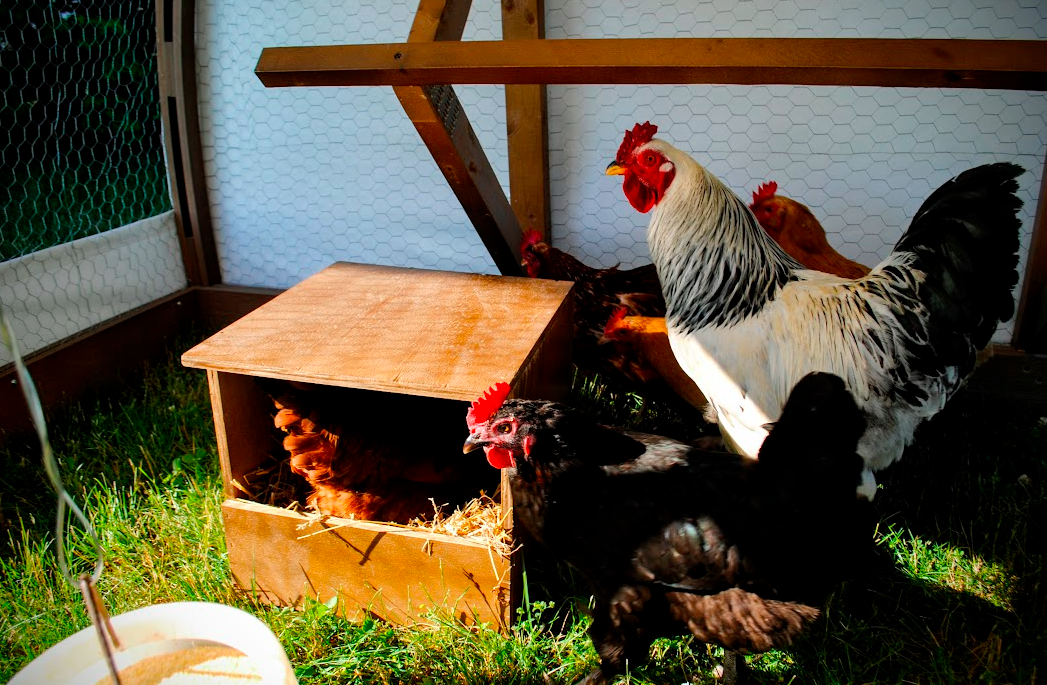
Chicken Politics 101: Understanding the Pecking Order
While hens might not be gossiping or knitting sweaters in the coop, drama can indeed unfold among them, largely due to the establishment and maintenance of the pecking order. Here’s how drama can unfold in the hen house:
- Establishing the Pecking Order: The pecking order is a social hierarchy within the flock, with each hen knowing her place in the hierarchy. This order is established through pecking, chasing, and other aggressive behaviors. Dominant hens assert their authority over subordinate ones, often through displays of aggression.
- Bullying Behavior: Dominant hens can exhibit bullying behavior towards subordinate or newer members of the flock. They may peck at or chase away weaker individuals to assert their dominance. This can lead to stress and injury for the targeted hens.
- Introducing Newcomers: When introducing new hens to an existing flock, there can be tension and conflict as the established members adjust to the newcomers. The existing hens may ostracize or bully the newcomers until a new pecking order is established.
- Social Dynamics: Hens form complex social bonds within the flock, with alliances and friendships developing between certain individuals. These social dynamics can lead to conflicts and drama, particularly when the established order is disrupted by the introduction of new birds or changes in the flock dynamics.
- Egg-Laying Territory: Hens may compete for nesting boxes or preferred spots for laying eggs. This can lead to squabbles and disputes over territory within the coop.
Overall, while hens may not spread rumors or engage in human-like gossip, they do have their own social hierarchy and dynamics that can lead to drama and conflict within the flock. It’s important for chicken keepers to understand these behaviors and intervene if necessary to ensure the well-being of all their feathered friends.
Here are some strategies that chicken owners can implement to avoid problems within a flock of hens related to egg-laying territory, bullying, and pecking order squabbling:
- Provide Sufficient Space: Ensure that your coop and run have enough space to accommodate the number of chickens in your flock. Overcrowding can exacerbate tensions and lead to increased aggression among hens. As a general rule, provide at least 2-3 square feet of indoor space per bird and 8-10 square feet of outdoor space per bird in the run.
- Multiple Egg-Laying Areas: Offer multiple nesting boxes or areas for hens to lay their eggs. This reduces competition for nesting spots and helps prevent conflicts over egg-laying territory. Ideally, provide one nesting box for every 3-4 hens to ensure adequate space and minimize disputes.
- Ensure Access to Food and Water: Place multiple feeders and waterers throughout the coop and run to prevent bullying and competition for resources. This ensures that all hens have access to food and water without having to compete with more dominant members of the flock.
- Introduce Newcomers Carefully: When introducing new hens to an existing flock, do so gradually and in a controlled manner. Quarantine new birds for a period of time before introducing them to the rest of the flock to ensure they are healthy and free from disease. Introduce new birds during the evening or at night when the flock is roosting to minimize aggression and allow them to acclimate to their new surroundings.
- Monitor Flock Dynamics: Keep a close eye on the behavior of your chickens and intervene if you notice any signs of bullying or aggression. Separating bullied or injured birds from the rest of the flock temporarily can give them a chance to recover and reintegrate without further harm.
- Provide Enrichment: Offer environmental enrichment in the form of perches, roosts, and toys to keep your chickens mentally stimulated and reduce boredom-induced aggression. Providing distractions such as hanging treats or scratch blocks can also help redirect aggressive behavior.
- Maintain a Balanced Flock: Avoid keeping too many roosters or too few hens in the flock, as this can disrupt the natural pecking order and lead to increased aggression. Aim for a balanced ratio of one rooster for every 8-10 hens to prevent over-mating and aggression among males.
By implementing these strategies, chicken owners can help prevent problems within their flock related to egg-laying territory, bullying, and pecking order squabbling, ensuring a harmonious and happy coop environment for all their feathered friends.
 yArdHouse