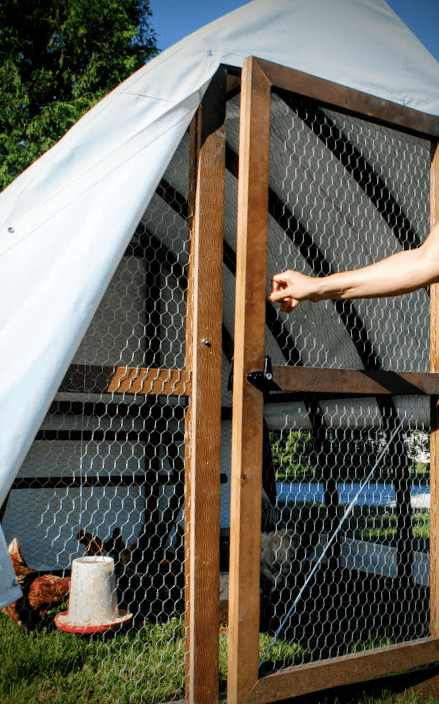
Surviving the Summer Heatwave
Ah, summer – a time of sun-kissed days, lazy afternoons, and the gentle hum of cicadas in the air. But for our feathered friends, the summer heat can pose a unique set of challenges that require careful attention and preparation.
As the temperatures soar and the sun beats down upon the coop, it’s important to take steps to keep your chickens cool and comfortable. Providing ample shade is key, whether it’s through strategically placed trees, shade cloths, or specially designed coop covers. Additionally, offering plenty of fresh, cool water is essential to prevent dehydration and heat stress.
But it’s not just the heat that chickens need to contend with – pesky insects like flies and mosquitoes can also pose a threat to their health and well-being. Implementing natural pest control measures, such as diatomaceous earth or herbal insect repellents, can help keep these pests at bay and ensure a more comfortable environment for your flock.
Battling the Winter Blues: Chicken Edition
As the days grow shorter and the temperatures begin to drop, winter brings its own set of challenges for chicken keepers to contend with. But fear not, for with a little preparation and foresight, you can help your feathered friends weather the winter blues with ease.
One of the most important considerations during the winter months is providing adequate shelter and protection from the elements. Ensure that your coop is well-insulated and draft-free, with plenty of bedding to keep your chickens warm and cozy on chilly nights. Consider adding extra heat sources, such as heat lamps or heated waterers, to provide additional warmth during the coldest months.
In addition to shelter, it’s important to pay close attention to your chickens’ diet during the winter months. As the temperatures drop, chickens require extra calories to maintain their body temperature and energy levels. Consider supplementing their diet with high-protein treats like mealworms or black oil sunflower seeds, and be sure to provide plenty of fresh water to prevent dehydration.
Finally, don’t forget to keep an eye out for signs of frostbite and other cold-related ailments. Check your chickens’ combs and wattles regularly for signs of discoloration or swelling, and take steps to protect them from the cold with petroleum jelly or other protective ointments.
By taking these simple precautions and staying attuned to your chickens’ needs, you can help them stay happy, healthy, and resilient in the face of whatever weather challenges come their way. After all, true fowl weather friends stick together through thick and thin, come rain or shine.
 yArdHouse